
Periodontics in Whitehall, Pennsylvania: What You Need to Know
On this page
Periodontics focuses on the prevention, diagnosis, and treatment of conditions affecting the gums and the supporting structures around the teeth. Healthy gums do more than support your teeth; they protect surrounding tissues and help maintain a strong, comfortable smile. When gum problems develop, early attention can help prevent them from becoming more difficult to manage.
Gum health can be affected by inflammation, gum disease, bleeding, or changes in the tissues supporting the teeth. Understanding warning signs, treatment options, recovery expectations, and preventive care can help you make informed decisions about your oral health.
If you are considering Periodontics in Whitehall, Advanced & Comfort Dentistry provides patient-focused care to help you understand your periodontal needs. Periodontics in Pennsylvania, Whitehall can support your long-term gum health.
What Is Periodontics?
Periodontics is the dental specialty focused on your gums, periodontal tissues, and supporting bone. A dentist may recommend care when plaque and bacteria cause inflammation that does not improve with regular brushing and professional cleanings.
Common concerns include gingivitis, periodontitis, gum recession, bone loss, periodontal pockets, and gum problems affecting dental implants. Symptoms may include red or swollen gums, bleeding during brushing, persistent bad breath, or increased tooth sensitivity.
Patients seeking Periodontics in Pennsylvania may receive an examination to check gum tissue, measure periodontal pockets, evaluate tooth stability, and review X-rays when needed. Treatment depends on the condition and may range from professional cleaning and improved preventive care to advanced procedures.
Which Types of Periodontics Treatment Are Available?
Your dentist will choose treatment based on your gum health, symptoms, and the condition of the supporting tissues. Periodontics may include nonsurgical care or advanced procedures.
Nonsurgical Periodontal Care
- Scaling & Root Planing: Removes plaque and calculus below the gumline.
- Professional Cleanings: Help control buildup and support healthier gums.
- Improved Home Care: Brushing and flossing help maintain healthy gums.
- Antimicrobial Care: May help control harmful bacteria when recommended.
Gum-Focused Procedures
- Cosmetic Gum Shaping: Reshapes uneven gum tissue for a balanced smile.
- Gum Disease Treatment: Helps manage infection and damaged gum tissue.
- Advanced Procedures: May treat deeper gum or supporting tissue damage.
- Periodontics Procedures: Cleveland Clinic explains common periodontal treatment options.
What Are the Benefits of Periodontics?
1. Improve Gum Health
- Reduce gum inflammation and irritation.
- Help manage bleeding and swollen gums.
- Support healthier tissues around your teeth.
- Make daily oral care more comfortable.
2. Protect Supporting Teeth Structures
- Protect supporting tissues and maintain healthy conditions for Implant-Supported Dentures.
- Reduce the risk of further gum and bone damage.
- Support better tooth stability.
- Help preserve your natural teeth when possible.
3. Make Daily Oral Care Easier
- Improve the cleanliness of areas affected by gum problems.
- Make brushing and cleaning between teeth more manageable.
- Support better long-term oral hygiene.
- Help patients maintain healthier gums with proper care.
4. Support Better Dental Function
- Create healthier conditions around natural teeth.
- Support certain restorative treatments, including Implant-Supported Bridges.
- Help maintain a more stable oral environment.
- Improve overall comfort while eating and speaking.
5. Maintain Long-Term Gum Health
- Encourage regular dental examinations and cleanings.
- Support healthy habits after Periodontics treatment.
- Help patients recognize early signs of gum problems.
- Protect treatment results through consistent home care.
Which Signs May Indicate You Need Periodontics?
1. Notice Gum Bleeding
- Bleeding While Brushing: Gums that bleed regularly may indicate inflammation or gum disease.
- Bleeding While Flossing: Frequent bleeding between teeth should not be ignored.
2. Look for Gum Changes
- Red or Swollen Gums: Persistent redness, swelling, or tenderness may signal gum problems.
- Gum Recession: Gums pulling away from teeth can expose sensitive tooth surfaces.
3. Watch for Changes Around Teeth
- Loose or Shifting Teeth: Movement can indicate problems with the tissues supporting your teeth.
- Bite Changes: A noticeable change in how your teeth fit together may require evaluation.
4. Pay Attention to Other Symptoms
- Persistent Bad Breath: Ongoing bad breath may indicate gum disease and require an Emergency Dentist evaluation.
- Tooth Sensitivity: Increasing sensitivity, especially with gum recession, may need professional attention.
5. Seek Professional Evaluation
- Do Not Ignore Symptoms: Persistent changes should be evaluated rather than left untreated.
- Discuss Treatment Options: Patients seeking Periodontics in Pennsylvania can ask whether Gum Disease Treatment may help address the underlying problem.
How Is Recovery After Periodontics?
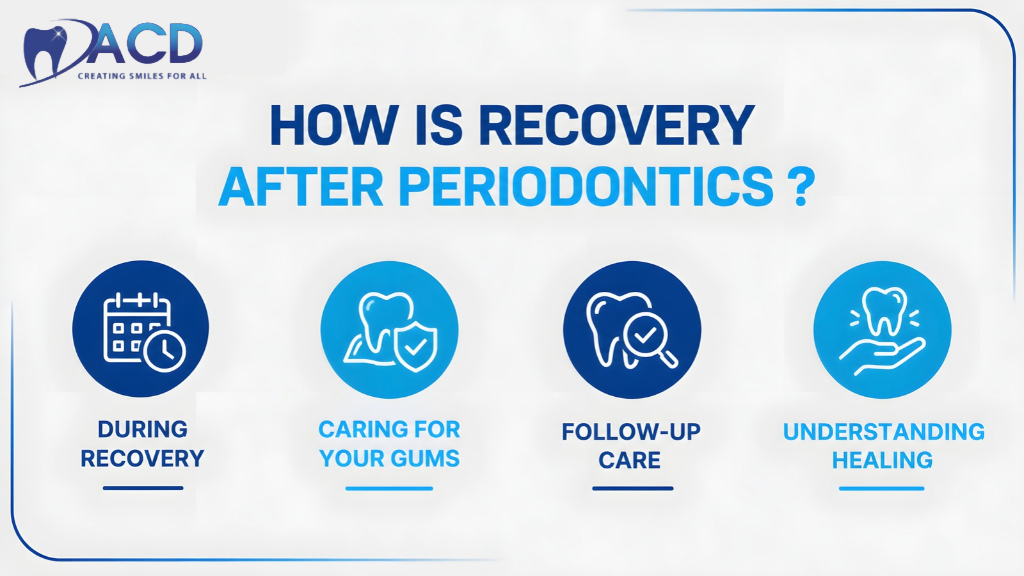
Recovery varies depending on the type of Periodontics treatment you receive. Nonsurgical procedures may require little downtime, while Periodontal Surgery may involve a longer healing period.
During Recovery
- Mild tenderness, sensitivity, or swelling may occur as the treated gums heal.
- Follow your dentist’s instructions for cleaning, eating, and taking medications.
Caring for Your Gums
- Keep the treated area clean as directed to support proper healing.
- Choose softer foods temporarily if your gums feel tender or sensitive.
Follow-Up Care
- Attend follow-ups to monitor healing and support long-term gum health with Preventive Dentistry.
- Report unusual pain, swelling, bleeding, or other concerns promptly.
Understanding Healing
- Recovery time depends on the procedure and your individual healing response.
- Your dentist can explain what to expect and provide guidance for a smoother recovery. Periodontal Surgery may require additional aftercare compared with nonsurgical treatment.
Periodontics Treatment, Benefits, Signs & Recovery
| Treatment | Key Benefit | What to Expect |
| Scaling & Root Planing | Removes deep plaque and calculus | Mild sensitivity possible |
| Gum Disease Treatment | Controls gum infection | Follow-up may be needed |
| Gum Shaping | Improves gum appearance | Short healing period |
| Periodontics Benefits | Supports healthy gums and teeth | Requires ongoing care |
| Warning Signs | Identifies possible gum problems | Professional evaluation needed |
| Recovery & Aftercare | Supports proper healing | Follow dentist’s instructions |
Why Choose Advanced & Comfort Dentistry for Periodontics?
Choosing the right dental team for Periodontics in Whitehall, Pennsylvania means finding care that prioritizes clear communication, thorough evaluation, and your individual oral health needs. A comfortable treatment experience starts with understanding your condition, available options, expected outcomes, and the steps involved in maintaining healthy gums.
At Advanced & Comfort Dentistry, patients receive personalized guidance about their periodontal condition, treatment choices, home-care routines, and follow-up needs. The team can also recommend Preventive Dentistry based on your oral health to help maintain healthier gums and support lasting treatment results. Patients can ask questions, discuss concerns, and understand what to expect before beginning care.
For patients considering restorative treatment, your dentist can evaluate gum health before procedures involving Implant-Supported Bridges and determine whether any periodontal concerns should be addressed first. You can also review Periodontal Services for additional information about periodontal evaluation and treatment options.
Conclusion
Healthy gums play an important role in supporting your teeth and maintaining long-term oral health. Periodontics can help identify and manage gum problems before they become more serious, while good daily home care can help maintain your results.
If you notice bleeding, swelling, gum recession, persistent bad breath, or changes around your teeth, a professional evaluation can help determine the cause. Patients considering treatment in Pennsylvania should discuss their symptoms and available options with a qualified dental professional.
Choose Advanced & Comfort Dentistry for personalized Dental Veneers guidance and a smile plan tailored to your goals. Contact Us Today to learn more about your treatment options and Book a Free Consultation Now!
Frequently Asked Questions
1. When should I seek periodontal care?
Bleeding, swollen gums, recession, persistent bad breath, or loose teeth can signal a gum problem. An evaluation can determine whether or routine preventive care is appropriate.
2. Does periodontal treatment hurt?
Treatment discomfort varies by procedure. Your dental team can use appropriate comfort measures and provide aftercare guidance to help manage temporary sensitivity or tenderness. Discuss what to expect before receiving Periodontics treatment.
3. Can gum disease affect dental implants?
Yes. Healthy gums and supporting bone help create a stable foundation for implants. Your dentist may assess your periodontal health before recommending implant treatment and related restorations.
4. How can I protect my gums after treatment?
Brush twice daily, clean between your teeth, maintain regular dental visits, and follow your dentist’s personalized home-care instructions. Consistent care can help maintain results after Periodontics treatment.
5. What can happen if gum disease is untreated?
Untreated gum disease can progress and damage the tissues and bone supporting your teeth. Early Periodontics care can help address the problem and support better long-term oral health.

Advanced & Comfort Dentistry team
Written by the Advanced & Comfort Dentistry team. We provide personalized, comfort-first dental care for the whole family in Whitehall, PA — from general and cosmetic dentistry to implants and emergency care.