
Gum Disease Treatment in Whitehall, PA: Protect Your Gums
On this page
Gum Disease Treatment addresses infection and inflammation affecting the gums and supporting bone, helping stop damage before it becomes severe. Left unmanaged, these issues can impact chewing comfort and long-term tooth stability.
Gum problems rarely improve on their own, as ignoring early symptoms allows bacteria to spread deeper beneath the gumline. Understanding your treatment options helps you take action before the infection advances.
For patients looking for Gum Disease Treatment in Whitehall, Pennsylvania, understanding the process is an important first step. Advanced & Comfort Dentistry evaluates gum health and bone support to guide a personalized care plan.
What Is Gum Disease Treatment, and When Is It Recommended?
Gum Disease Treatment refers to a range of dental procedures designed to control bacterial infection, reduce inflammation, and restore healthy gum tissue around the teeth. It becomes necessary when a dental exam reveals redness, swelling, bleeding, or early signs of bone loss near the gumline.
Your dentist evaluates gum pocket depth plus bleeding patterns to determine the right course of care. Depending on severity, treatment may include specialized care that targets bacteria beneath the gumline while protecting the surrounding bone structure.
For patients seeking Gum Disease Treatment Services in Whitehall, a comprehensive examination determines how advanced the condition has become and which procedures will restore long-term gum health most effectively.
How Does Gum Disease Treatment Help Protect Gums?
Gum Disease Treatment options vary based on infection levels and tissue health. A comprehensive evaluation guides your custom care plan. Early action protects natural teeth and supports lasting oral health.
1. Professional Cleanings
- Removes plaque and tartar above the gumline before issues advance.
- Helps maintain healthy gum tissue alongside routine oral hygiene.
2. Deep Cleaning Procedures
- Addresses advanced cases using Scaling and Root Planing to clean below the gumline.
- Smooths root surfaces to prevent future bacteria accumulation.
3. Antibacterial Therapy
- Controls harmful bacteria directly within deeper gum pockets.
- Supports tissue healing and reduces persistent inflammation.
Patients evaluating Gum Disease Treatment in Pennsylvania should address bacteria early to prevent irreversible bone loss. Committing to an active treatment plan helps reduce bleeding, minimize sensitivity, and restore firm gum tissue.
What Early Signs Indicate a Need for Gum Disease Treatment?
Recognizing symptoms early helps patients pursue Gum Disease Treatment before infection spreads or bone loss becomes severe. Regular dental visits remain essential since many early indicators are subtle and easy to overlook.
Common Warning Signs
- Swollen Gums: Puffy or sore tissue points to inflammation.
- Bad Breath: Ongoing odor suggests underlying bacteria.
- Bleeding Gums: Blood on floss serves as an early signal.
- Receding Gumline: Teeth appearing longer indicate tissue pulling back.
Progression Structural Impact
- Loose Teeth: Shifting teeth point to weakened structures.
- Bite Changes: A shifting bite suggests bone alterations.
- Disease Stages: Symptoms advance from gingivitis to periodontitis.
- Timely Assessment: Early evaluation prevents worsening.
Understanding Gum Disease Stages helps patients recognize how quickly conditions progress. Scheduling an early evaluation protects natural tooth support and prevents permanent damage. Prompt care restores tissue health and keeps your smile stable.
Why Choose Advanced & Comfort Dentistry for Gum Disease Treatment?
Gum Disease Treatment begins with a careful assessment of gum health and factors contributing to inflammation or infection. Each treatment plan is tailored to the patient’s symptoms, oral health needs, and the severity of the condition.
During consultations, patients discuss their symptoms and treatment goals. The dental team explains suitable options, including Endodontics for inner-tooth problems and Dental Crowns & Bridges to restore damaged teeth.During appointments, patients can ask questions
Advanced & Comfort Dentistry in Whitehall, Pennsylvania, helps patients understand their gum health and available treatment options. Clear guidance on procedures and follow-up care supports informed decisions for healthier gums.
Which Signs Suggest Gum Disease Treatment Is Improving Gum Health?
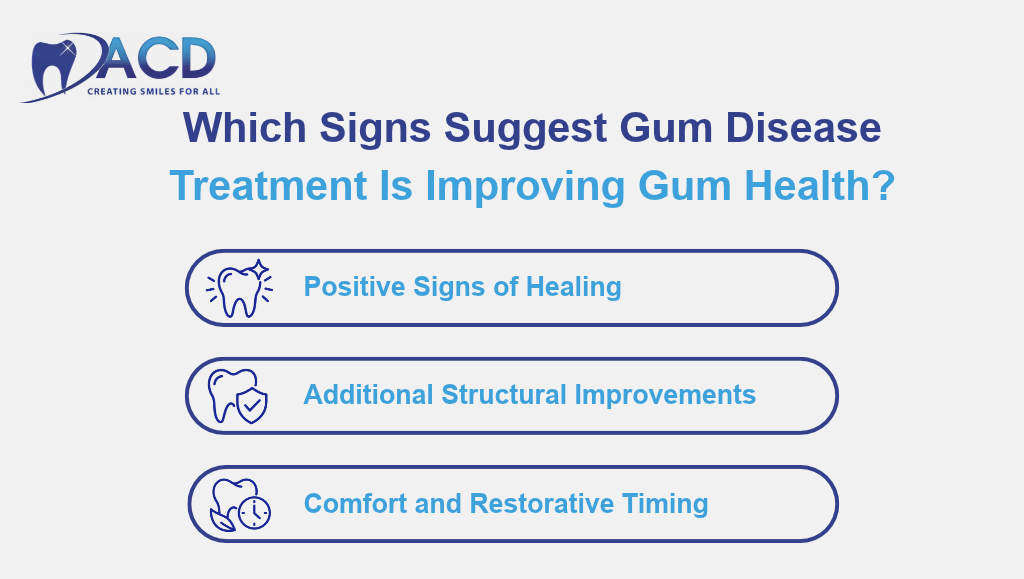
Tracking progress helps patients understand whether their Gum Disease Treatment plan is working as expected. Improvement is usually gradual, with noticeable changes appearing over several weeks of consistent home care and professional visits.
1. Positive Signs of Healing
- Reduced Bleeding: Tissue bleeds less frequently during daily brushing and flossing as inflammation subsides.
- Firm Tissues: Swollen or tender areas gradually become firmer, healthier, and restore a natural pink color.
2. Additional Structural Improvements
- Improved Breath: Decreased bacterial activity beneath the gumline leads to fresher breath over time.
- Shallower Pockets: Follow-up clinical measurements show reduced pocket depth around the supporting tooth structure.
3. Comfort and Restorative Timing
- Chewing Comfort: Decreased sensitivity allows patients to eat and chew daily meals without experiencing discomfort.
- Stable Timing: Ensuring stable gum health is essential before proceeding with additional restorative procedures.
Reviewing trusted resources helps patients plan for future treatments like Full and Partial Dentures or Clear Aligners. Even with visible healing, keeping scheduled follow-up visits remains essential for long-term stability.
Gum Disease Treatment Healing Timeline
| Stage | What to Expect |
| Week 1 | Less bleeding |
| Week 2 | Reduced soreness |
| Month 1 | Firmer gums |
| Month 2 | Fresher breath |
| Maintenance | Stable gums |
| Regular Care | Fewer flare-ups |
Which Habits Support Successful Gum Disease Treatment?
Daily habits play a significant role in how well Gum Disease Treatment works and how long results last. Professional care addresses existing infection, but consistent home habits help prevent gum disease from returning.
Daily Habits That Help
- Gentle Brushing: Soft bristles protect sensitive gums daily.
- Regular Flossing: Removes plaque between tight teeth.
- Antibacterial Rinses: Reduces harmful mouth bacteria levels.
- Balanced Nutrition: Supports tissue repair and immunity.
Habits to Avoid
- Tobacco Products: Slows tissue healing and increases risk.
- Skipping Visits: Allows hidden bacteria buildup over time.
- Ignoring Symptoms: Bleeding tissue requires immediate attention.
- Hard Bristles: Damages already tender gum tissue.
Exploring Gum Disease Remedies complements professional care during recovery between appointments. When decay occurs alongside infection, Tooth-Colored Fillings repair damaged teeth while consistent home care protects long term healing.
Gum Disease Treatment and Purpose
| Treatment | Purpose |
| Deep Cleaning | Remove plaque |
| Scaling | Clean teeth |
| Root Planing | Smooth roots |
| Antibiotics | Fight infection |
| Gum Surgery | Repair gums |
| Laser Therapy | Reduce bacteria |
| Oral Hygiene | Prevent buildup |
| Regular Checkups | Maintain gum health |
Conclusion
Gum Disease Treatment provides targeted care to address inflammation, infection, and bone loss when routine oral hygiene is no longer enough. Treatment removes harmful deposits and restores healthier gum tissues alongside daily home care.
The right treatment plan depends on an individual examination and comprehensive evaluation. Early evaluation helps identify gum irritation before issues become more advanced, protecting your natural teeth and surrounding support structures.
Choose Advanced & Comfort Dentistry for personalized Gum Disease Treatment care. Schedule your consultation to discuss your symptoms and treatment options. Contact us today to take the next step toward healthier gums.
Frequently Asked Questions
1. Is gum disease treatment painful?
Most procedures involve local anesthesia to keep patients comfortable. Mild soreness afterward is common but typically resolves within a few days.
2. How long does treatment take to show results?
Many patients notice reduced bleeding and swelling within a few weeks, though full healing depends on the severity of the condition.
3. Can gum disease come back after treatment?
Yes, gum disease can return without consistent home care and regular professional maintenance visits.
4. Will I need multiple appointments?
Treatment duration varies based on severity. Advanced cases may require several visits for deep cleaning and follow-up monitoring.
5. How often should I see the dentist after treatment?
Most patients benefit from maintenance visits every three to four months to monitor healing and prevent recurrence.

Advanced & Comfort Dentistry team
Written by the Advanced & Comfort Dentistry team. We provide personalized, comfort-first dental care for the whole family in Whitehall, PA — from general and cosmetic dentistry to implants and emergency care.