Dental Crowns in Whitehall, PA: Repair a Damaged Tooth
On this page
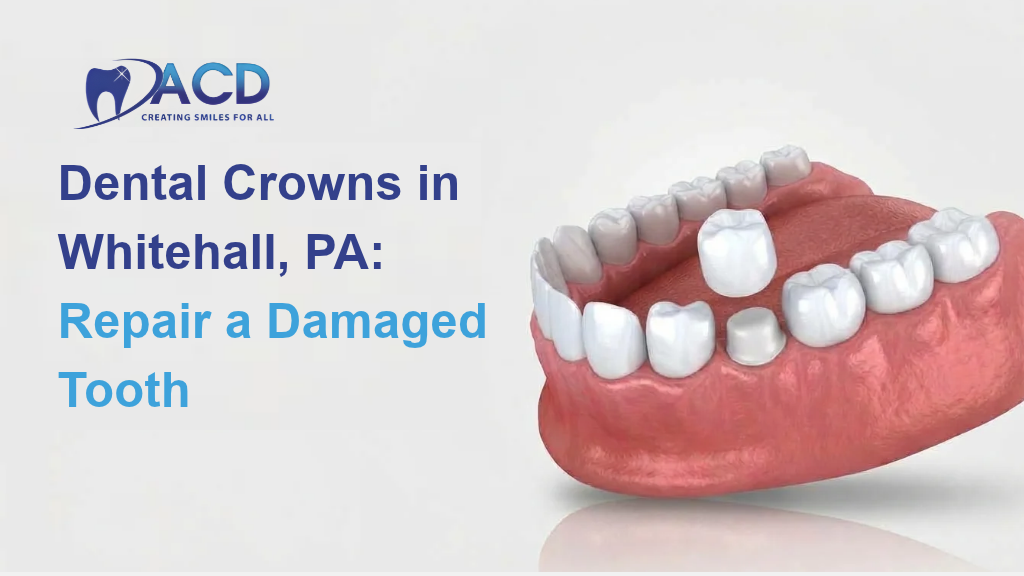
Dental Crowns restore a cracked, weakened, or severely decayed tooth while protecting its remaining structure. Unlike standard fillings that only patch smaller areas, crowns cover the entire visible portion of the tooth to restore its natural shape, strength, and appearance.
A damaged tooth affects more than appearance; it can make chewing uncomfortable and reduce your smile’s stability. Understanding treatment options helps patients make informed decisions about restoring their oral health.
For patients considering Dental Crowns in Whitehall, Pennsylvania, understanding the restoration process and protection benefits is key. Advanced & Comfort Dentistry evaluates tooth structure, bite force, and overall oral health to guide your care.
How Do Dental Crowns Protect a Damaged Tooth?
Dental Crowns work by encasing the entire prepared tooth surface to evenly distribute chewing pressure. This custom restoration reinforces weakened enamel, preventing further fracture and creating a durable foundation for everyday use.
Your dentist evaluates remaining tooth structure plus bite alignment for optimal crown placement. Targeted fitting helps protect against further damage while custom restorations restore natural function and appearance.
For patients seeking Dental Crowns Procedure in Whitehall, a comprehensive examination determines how much tooth structure remains and how the restoration should be crafted for long-term oral support.
What Side Effects Are Normal After Fixing a Tooth With Dental Crowns?
Dental Crowns preparation and placement can cause mild sensitivity or temporary soreness while the tooth and surrounding gums adjust. Follow proper care to manage recovery smoothly.
1. Temperature Sensitivity
- Triggers mild reactions to hot or cold foods for several days.
- Gradually improves as the tooth tissue settles over time.
2. Mild Gum Tenderness
- Causes slight soreness in the tissue surrounding the treated tooth.
- Responds well to gentle daily brushing and interdental cleaning.
3. Bite Awareness
- Feels noticeably different from your natural tooth at first.
- Involves minor chewing discomfort during the adjustment period.
4. Precautions & Follow-Up
- Avoids very hard or sticky foods while the area feels tender.
- Requires prompt dental contact if persistent pain, swelling, or a high bite occurs.
Patients evaluating the Pros and Cons of Dental Crowns should understand these potential temporary effects before starting treatment. Contacting your dentist for adjustments ensures long-term comfort and optimal restoration function.
Why Choose Advanced & Comfort Dentistry for Dental Crowns?
Dental Crowns are offered alongside comprehensive restorative care through a patient-focused approach. Evaluating tooth structure, bite function, and material options helps ensure care is planned around each patient’s specific condition.
Every visit is a chance to talk about your comfort concerns, smile goals, and treatment choices. Your dental team clearly explains the care needed, so you know what to expect and can move forward with confidence.
Advanced & Comfort Dentistry serves Whitehall, Pennsylvania, providing coordinated restorative support close to home. Evaluating dental health prior to treatment ensures patients receive appropriate care tailored to their needs.
What Is the Difference Between Dental Crowns and Dental Veneers?
Dental Crowns and veneers can improve a tooth’s appearance, but they serve different purposes based on structural needs. The main difference is how much of the tooth they cover and the type of problem they address.
- Tooth Coverage: Crowns encase full teeth while veneers cover front surfaces.
- Protection Level: Dentists recommend crowns when teeth need extra structural support.
- Cosmetic Suitability: Veneers fit healthy teeth needing color or shape adjustments.
- Patient Planning: Patients exploring cosmetic improvements can review Dental Veneers.
- Goal Alignment: Discussing Cosmetic Dentistry options helps clarify personal treatment goals.
The best option depends on remaining healthy tooth structure, your bite, and desired results. Evaluating these factors ensures your chosen restoration within General & Restorative Dentistry supports long-term oral health.
Dental Crowns vs Dental Veneers
| Feature | Dental Crowns | Dental Veneers |
| Coverage | Most of the tooth | Front surface |
| Purpose | Restore strength | Improve appearance |
| Best For | Damaged teeth | Cosmetic concerns |
| Preparation | More tooth reduction | Less tooth reduction |
| Common Issues | Weakness, cracks | Stains, minor chips |
| Main Benefit | Protection | Better aesthetics |
Which Type of Dental Crowns Looks Most Natural?
Selecting Dental Crowns for a natural appearance depends on tooth position, adjacent teeth, and chosen material. Dentists evaluate color, translucency, contours, and overall smile harmony to select the proper restoration option.
1. Aesthetic Material Options
- All-Ceramic Crowns: Ceramic materials mimic enamel translucency naturally for visible teeth.
- Porcelain Crowns: Matching surrounding shades provides lifelike visual aesthetic results.
2. Durable Restoration Alternatives
- Zirconia Crowns: Strong formulations offer attractive visuals depending on location.
- Porcelain-Fused-to-Metal: Metal bases under porcelain strength may impact gumline appearance.
3. Functional Metal Restorations
- Metallic Composition: Metal options provide strength while lacking natural tooth aesthetics.
- Durability Focus: High chewing forces on back molars suit metal restorations well.
4. Patient Evaluation Factors
- Location Demands: Front teeth prioritize translucency while back teeth require structural strength.
- Personalized Selection: Dentists evaluate space, durability needs, and budget goals carefully.
5. Treatment Planning Considerations
- Benefits of Dental Crowns: Reviewing restoration advantages clarifies health and visual goals.
- Teeth Whitening Treatment: Completing shade adjustments before crown placement ensures consistent color matching.
Balancing durability, tooth position, and visual goals helps determine the ideal crown material for your smile. Consulting your dentist ensures your restoration supports long-term function alongside services like Endodontics while providing a natural look.
Key Features of Dental Crowns
| Feature | Details |
| Purpose | Protect damaged teeth |
| Material | Porcelain or ceramic |
| Coverage | Most of the tooth |
| Strength | Restores tooth function |
| Appearance | Natural-looking |
| Placement | Cemented in place |
| Durability | Long-lasting with care |
| Maintenance | Daily oral hygiene |
What Materials Are Used to Make Dental Crowns?
Selecting the right material depends on tooth location, bite forces, cost considerations, and aesthetic preferences. Dentists evaluate individual needs to choose the most suitable option for restoring strength and function.
Common Crown Materials
- Ceramic and Porcelain: Matches natural tooth shade for visible front teeth.
- Zirconia Restorations: Combines durability with a tooth-colored appearance.
- Metal Alloys: Withstands heavy chewing forces on posterior teeth.
- Porcelain Fused to Metal: Blends underlying structural strength with natural appearance.
Oral Health Considerations
- Preparatory Care: Root canal therapy treats severe inner decay before placement.
- Gum Support: Healthy tissues rely on Periodontics when needed.
- Daily Maintenance: Brushing twice daily with fluoride toothpaste ensures longevity.
- Protection Habits: Night guards help manage stress from grinding or clenching.
A crown lasts many years with good hygiene, bite management, and checkups. Procedures like Scaling and Root Planing maintain healthy surrounding gums. Routine exams catch fit issues early and protect the natural tooth.
Conclusion
Dental Crowns restore damaged teeth, improve chewing function, and protect weakened tooth structures when appropriate. The best material and design depend on your oral health, tooth location, and durability expectations.
The right treatment plan depends on an individual examination and comprehensive evaluation. Early assessment helps determine the best approach to protect your long-term oral health.
Choose Advanced & Comfort Dentistry for personalized care. Contact us now to discuss your options. Book Free Appointment to take the next step toward a fully restored, healthy smile.
Frequently Asked Questions
1. How long does it take to get a dental crown?
Treatment often requires two appointments when the practice prepares the tooth and places a permanent crown later. Some practices offer same-day crowns. The timeline depends on the technology used, the tooth’s condition, and whether additional treatment is necessary.
2. Can I eat normally after getting a crown?
You can usually return to normal eating once your dentist confirms that the restoration is secure and any numbness has worn off. Start with softer foods if the tooth feels tender, and avoid chewing hard objects that could damage the crown.
3. Can a crowned tooth still develop cavities?
Yes. A crown covers the tooth but does not prevent decay along the gumline or at the edges of the restoration. Daily brushing, cleaning between teeth, and regular dental examinations help protect the remaining natural tooth.
4. Do dental crown look like natural teeth?
Many modern crowns closely match natural teeth in color and shape. The final appearance depends on the material, shade selection, crown design, and the skill involved in creating and placing the restoration.
5. When should I replace an existing crown?
A dentist may recommend replacement if a crown becomes loose, cracks, develops significant wear, or no longer fits properly. Decay around its edges or changes in the supporting tooth may also require treatment. Regular checkups help identify these problems early.

Advanced & Comfort Dentistry team
Written by the Advanced & Comfort Dentistry team. We provide personalized, comfort-first dental care for the whole family in Whitehall, PA — from general and cosmetic dentistry to implants and emergency care.